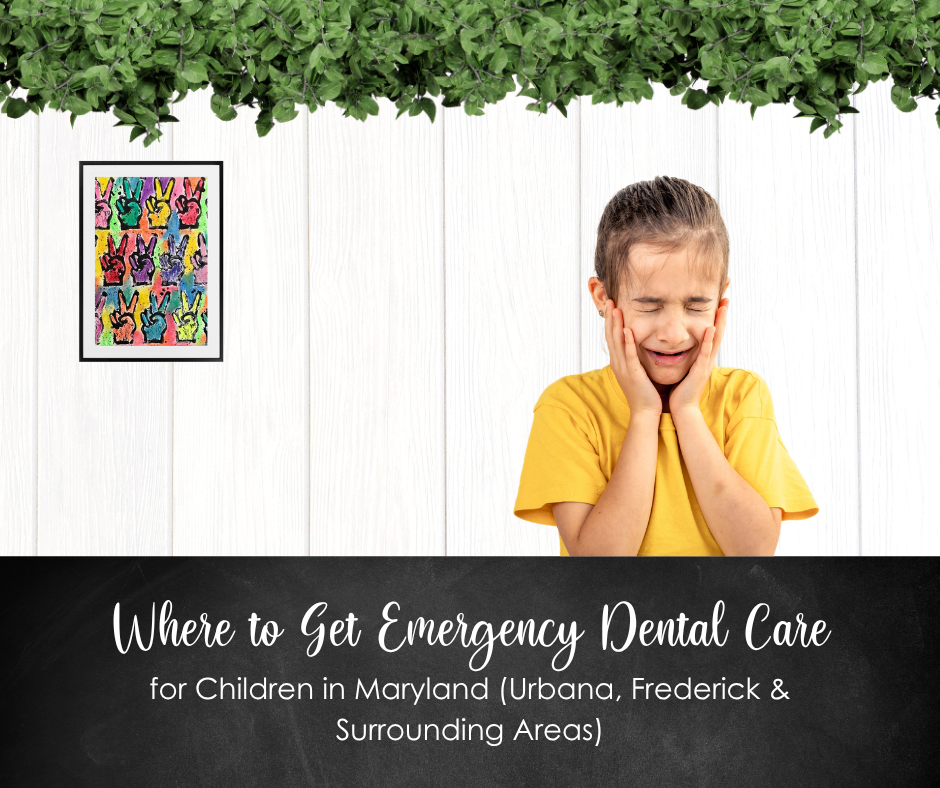
Child Toothache at Night: What Parents Can Do and When to Call a Dentist

It's bedtime, and your child suddenly says a tooth hurts. You may be wondering whether a child toothache at night can wait until morning, or whether it means something more urgent. Tooth pain has several possible causes, from food stuck between teeth to a cavity, injury, or infection. The safest next step depends on your child’s symptoms, not just how late it is.

I’m Dr. Dina Chehab, a board-certified pediatric dentist at Urbana Pediatric Dentistry in Ijamsville, Maryland. Here is a practical guide to keeping your child comfortable, recognizing warning signs, and knowing when to reach out for an examination.
First: check for symptoms that cannot wait
Seek emergency medical care right away for difficulty breathing or swallowing, rapidly increasing swelling in the face or neck, a serious facial injury, severe or uncontrolled bleeding, or altered consciousness. A dental infection with swelling can sometimes extend beyond one tooth, so it is important not to delay care when these signs appear.
Call a dentist promptly for facial or gum swelling, fever accompanying dental pain, a tooth that is newly loose after a fall, an injury to a permanent tooth, significant pain, or pain that keeps returning. If your child looks very unwell or symptoms are progressing rapidly, seek urgent medical assessment.
Five practical steps for a child’s toothache tonight
1. Ask where it hurts, and look gently
Have your child point to the painful spot if they can. Look for trapped food, an obvious chip, gum swelling, or an area where a tooth is coming through. Do not poke with sharp objects or press on a swollen area. Younger children may point to a cheek or ear even when a tooth is the source of discomfort.
2. Rinse gently and clean between teeth
If your child can spit reliably, a gentle rinse with lukewarm water may help. Brush softly and help with flossing if a bit of food appears caught between two teeth. Do not force floss into a painful or bleeding area.
3. Try a cold compress
If there is swelling or an injury, place a cold pack wrapped in a cloth against the outside of the cheek for short intervals. Avoid pressing ice directly against the gums or teeth.
4. Choose food and drinks that do not aggravate the pain
Offer water and softer foods if your child wants to eat. Very cold, hot, sweet, or crunchy foods can make certain toothaches worse. Avoid giving hard food to chew on an injured tooth.
5. Use pain medicine only as directed
An age-appropriate over-the-counter pain reliever may help while you arrange professional advice. Always follow the label and your child’s clinician’s instructions for dosing and medical contraindications. Never place aspirin or another medication directly against a painful tooth or gum. Do not use leftover antibiotics: a dentist needs to assess the cause, and antibiotics are not the solution for every toothache.

Why Does a Child Toothache at Night Seem Worse?
Nighttime is quieter, with fewer distractions, so children may notice discomfort they managed to ignore during the day. A child who is lying down may also find throbbing pain more noticeable. But the hour at which pain begins cannot identify the cause: persistent or repeating pain needs a dental examination.
Common causes of tooth pain in children
Cavities and irritated tooth nerves
Decay can make a tooth sensitive to sweets, temperatures, or chewing. More advanced decay may cause spontaneous pain or disrupt sleep. A dentist can determine whether the tooth needs preventive care, a filling, or another treatment. Baby teeth matter: they help children eat comfortably, speak, and preserve space for developing adult teeth.
Food caught between teeth or inflamed gums
A piece of food caught at a tight contact can make gums sore. Careful cleaning may provide relief, but persistent pain, bleeding, or swelling deserves attention.
New teeth erupting
Erupting teeth may cause localized gum tenderness. Do not assume that significant tooth pain, facial swelling, or fever is simply teething. Children with concerning symptoms need evaluation for another cause. Parents of younger children can explore our guide to baby tooth eruption.
A chipped, cracked, or injured tooth
An injury may occur during sports, play, or a fall, and a crack may be difficult to see. New pain with biting, a change in how teeth fit together, bleeding after injury, or a tooth that moves unexpectedly should be checked. For injury-specific instructions, visit our pediatric dental emergency page.
A developing dental infection
A painful tooth with gum swelling, a pimple-like bump on the gum, bad taste, or facial swelling may have an infection. Some infections do not cause dramatic pain at first. Call a dentist promptly rather than hoping the symptoms will resolve on their own.
What to tell the dental office when you call
A few details help us decide how urgently your child should be evaluated: your child’s age, the location of the pain, when it started, whether pain is constant or comes and goes, any swelling or fever, whether an injury occurred, and what has helped so far. Tell the team about your child’s medical conditions, medications, allergies, and sensory or communication needs. Photos of visible swelling or injury may be useful if the office requests them.

What a pediatric dentist may do at the appointment
Dr. Dina begins with your child’s story and a gentle examination. A dental X-ray may be recommended if it will help identify the cause. Depending on what we find, we may discuss monitoring, preventive guidance, a filling, treatment of an injured tooth, or other options. Our goal is to explain the situation without judgment and decide together on appropriate care.
Children who feel anxious or have special health care needs may benefit from individualized
communication and comfort strategies. Read more about behavior management at Urbana Pediatric Dentistry and our pediatric dental services.
What about pain after a recent filling or dental procedure?
Some sensitivity can occur after certain dental treatments, but worsening discomfort, a bite that suddenly feels uneven, swelling, or pain that interferes with eating or sleeping should be discussed with the treating dentist. Follow the personalized instructions you received after the procedure. If your child had a procedure at another practice, share the date, treatment, and any written instructions when you call. Our post-procedure dental care information explains more about caring for children after treatment.
If your child cannot tell you where the pain is
Toddlers and children with communication differences may show discomfort through behavior rather than words. You might notice new difficulty eating, chewing on one side, touching the cheek, waking often, refusing toothbrushing, or becoming unusually irritable. These changes do not establish that a tooth is the cause, but they are worth mentioning to a pediatric dentist. Caregivers often notice subtle differences long before a child can describe the sensation.
You know your child best. If symptoms are unusual, worsening, or concerning to you, call for professional guidance instead of relying solely on online lists. Parents are never expected to make a diagnosis at home.
How to reduce the chance of another nighttime toothache
Help your child brush twice daily with fluoride toothpaste. For children under age three, use a smear the size of a grain of rice; for ages three through six, use a pea-sized amount. Continue assisting with brushing until your child can brush thoroughly and reliably. Floss once adjacent teeth touch, limit frequent sugary drinks and snacks, and arrange regular visits based on your pediatric dentist’s recommendations.
If you have a baby or toddler, schedule their first dental visit when the first tooth erupts and no later than the first birthday. Establishing a dental home early makes it easier to ask questions before a small concern becomes a painful one. See our first-visit information.
For more parent-friendly prevention guidance, see the American Academy of Pediatrics’ baby tooth care advice and the American Academy of Pediatric Dentistry’s early childhood caries policy.
Frequently asked questions
Should I take my child to the emergency room for a toothache?
Most uncomplicated toothaches are best evaluated by a dentist. Go to the emergency department immediately if your child has difficulty breathing or swallowing, rapidly spreading swelling, serious trauma, or other dangerous symptoms. If you cannot access urgent dental care for severe symptoms, seek urgent medical advice.
What if the toothache goes away by morning?
Temporary improvement does not prove the underlying issue is gone. If the pain was strong, recurring, associated with chewing, or accompanied by swelling, arrange a dental assessment. Keep track of which tooth hurt and what seemed to trigger it.
Can a baby tooth get infected?
Yes. Baby teeth can develop decay and infection. Because children rely on them for eating and development, pain or swelling in a baby tooth deserves professional attention.
Should I give my child antibiotics for a toothache?
Do not give leftover or borrowed antibiotics. Antibiotics are not always necessary for dental pain and do not replace treatment of the cause. A clinician should decide whether they are indicated.
What if my child is afraid of the dentist?
Tell the dental team before the visit. At Urbana Pediatric Dentistry, we adapt our language and approach to each child and can discuss supports for anxiety, sensory sensitivities, and complex medical needs.
Need help with a child’s toothache in Urbana or Frederick, MD?
If your child is in pain, our team can help you think through the next step. Call Urbana Pediatric Dentistry at 301-882-3105 or read our pediatric dental emergency guidance. We care for families from Ijamsville, Urbana, Frederick, and nearby communities, always with a focus on comfort, clear explanations, and care tailored to each child.